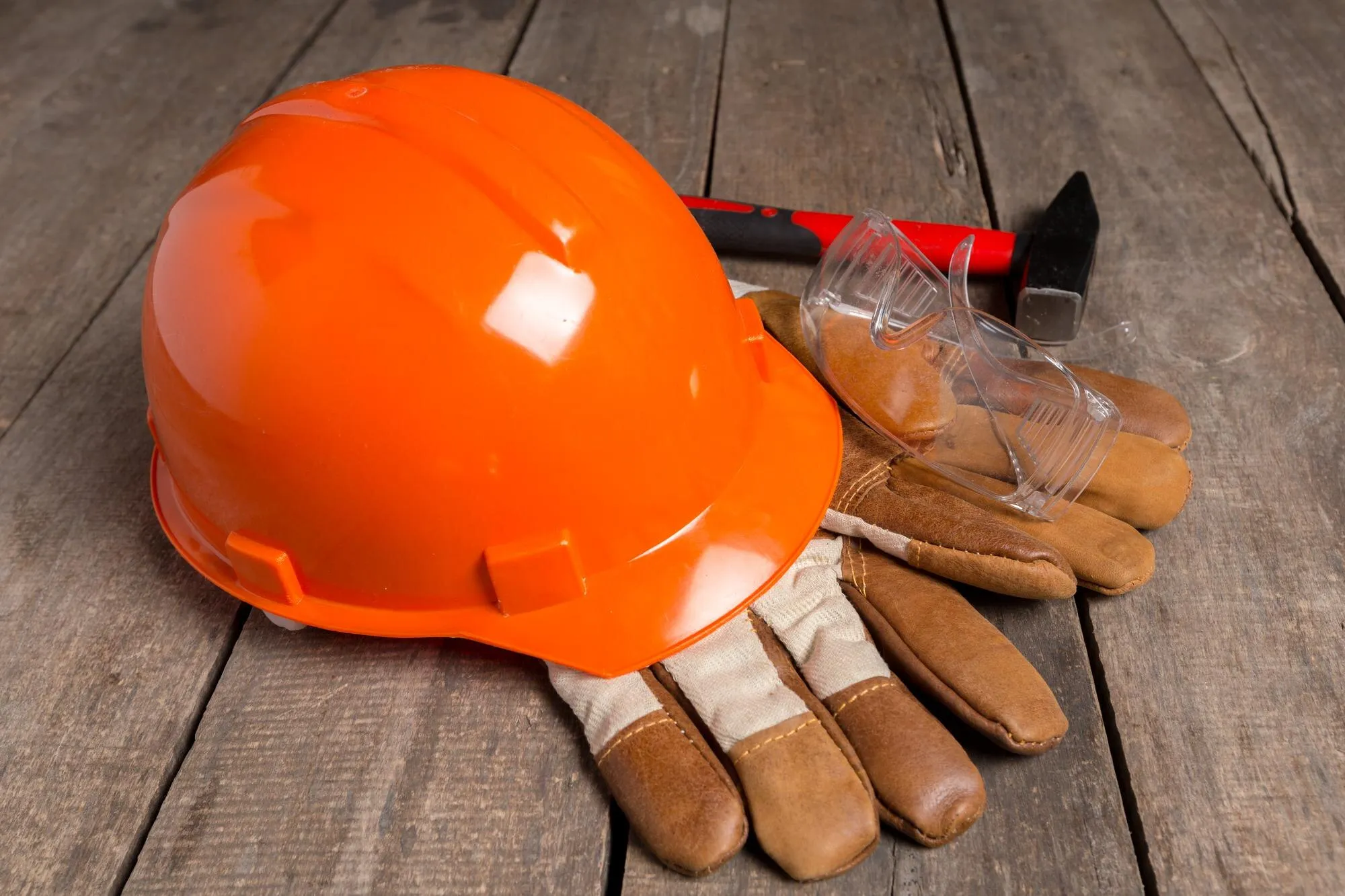
When it comes to ensuring workplace safety, selecting the best safety equipment for your specific industry is paramount. But with the myriad of options available, how do you determine what truly qualifies as “best”? This article aims to guide you through the essentials of safety gear, tailored specifically for diverse industrial needs. Whether you’re a construction manager, a health and safety officer, or a DIY enthusiast, understanding the right equipment can significantly impact safety outcomes.
Understanding the Basics of Safety Equipment
Safety equipment is a broad term that encompasses a variety of tools and apparel designed to protect workers from hazards. From helmets and goggles to more specialized gear like respiratory protection and high-visibility clothing, the range of equipment is vast. But why is it so crucial to have the right gear?
First and foremost, safety equipment is designed to prevent injuries. In high-risk environments, such as construction sites or chemical plants, the correct gear can mean the difference between a minor incident and a serious injury. Moreover, having the right equipment is not just about compliance with regulatory standards; it’s about fostering a culture of safety that prioritizes the well-being of all workers.
Choosing the Right Safety Equipment
How do you choose the best safety equipment for your needs? The answer lies in understanding the specific risks associated with your industry and the tasks at hand. For example, construction workers may require robust helmets and protective footwear to guard against falling debris and sharp objects. In contrast, those working in chemical industries might prioritize respirators and protective gloves to protect against hazardous substances.
It’s also crucial to consider the comfort and durability of the equipment. Uncomfortable gear is less likely to be worn consistently, and equipment that doesn’t last can end up costing more in the long run. Therefore, balancing cost-effectiveness with quality is key.
Industry-Specific Safety Gear
Different industries have distinct safety requirements. Let’s take a closer look at some of the common sectors and the essential safety gear associated with each:
-
Construction: Helmets, gloves, safety goggles, and protective footwear are must-haves. Fall protection systems are also critical for those working at heights.
-
Manufacturing: High-visibility clothing and ear protection help mitigate the risks associated with machinery and noise.
-
Chemical Industry: Respiratory protection and chemical-resistant clothing protect against hazardous fumes and spills.
-
Healthcare: Masks, gloves, and sanitization products remain vital, especially in the context of ongoing health concerns.
Emerging Trends in Safety Equipment
The landscape of safety equipment is constantly evolving, with new trends shaping how we approach workplace safety. One such trend is the integration of technology into safety gear, such as IoT-enabled helmets and smart vests that can monitor environmental conditions and worker health in real time. These innovations not only enhance safety but also provide data-driven insights to improve workplace safety protocols.
Another growing trend is the demand for eco-friendly safety products. As sustainability becomes a priority, manufacturers are exploring materials and processes that reduce environmental impact without compromising on safety.
Maintenance and Care of Safety Equipment
Once you’ve selected the best safety equipment, it’s crucial to maintain it properly to ensure its effectiveness. Regular inspections and maintenance checks are essential to identify wear and tear. For instance, helmets should be replaced if they show signs of damage, and respirators need to be cleaned and stored correctly to maintain their protective integrity.
Creating a maintenance schedule and training workers on proper care can extend the life of your equipment and ensure it provides the necessary protection when needed.
Frequently Asked Questions
What is the most essential safety equipment for construction? In construction, helmets, safety goggles, protective footwear, and fall protection systems are crucial.
How do I choose the right PPE for my industry? Assess the specific hazards of your workplace and consult with safety professionals to select PPE that offers the best protection and comfort.
Are there any safety equipment subscription services? Yes, some companies offer subscription services that provide regular deliveries of essential safety gear, ensuring you never run out of important supplies.
How often should safety equipment be inspected? Regular inspections should be conducted monthly, with more frequent checks for equipment that is exposed to harsh conditions.
What are the latest innovations in safety gear? Innovations include smart safety equipment with IoT capabilities and eco-friendly materials that offer both protection and sustainability.
The responsibility of maintaining a safe work environment is a shared one. By choosing the best safety equipment tailored to your industry’s needs, you can protect workers, enhance productivity, and foster a culture of safety. Always prioritize quality and suitability over cost, and stay informed about emerging trends that could offer enhanced protection or efficiency.