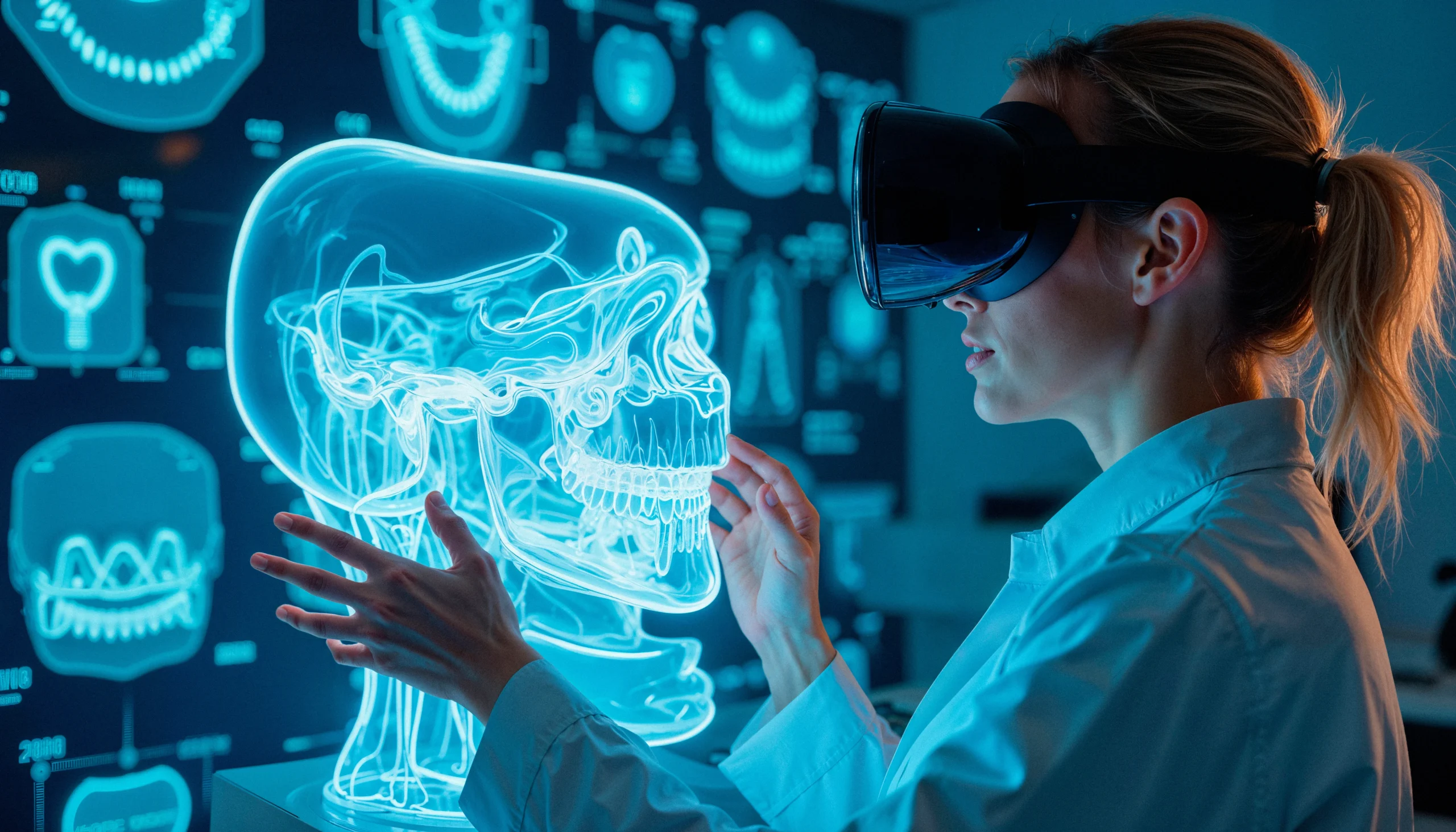
The rising demand for AI-supported dental intelligence systems
Nerovet AI Dentistry is emerging as a term associated with next-generation intelligent dental systems designed to support veterinary and advanced dental workflows using artificial intelligence, predictive modeling, and diagnostic automation. As digital transformation accelerates across healthcare, dentistry—both human and veterinary—is entering a phase where data-driven accuracy is becoming more valuable than traditional manual-only assessment.
Across clinics, hospitals, and diagnostic labs, AI-assisted dentistry is no longer experimental. It is gradually becoming part of routine imaging interpretation, early disease detection, treatment simulation, and patient outcome prediction.
How Nerovet AI Dentistry fits into modern clinical workflows
Dental professionals today face increasing diagnostic complexity. Cases are no longer limited to simple cavities or routine scaling. Instead, practitioners deal with layered conditions involving bone density issues, hidden infections, periodontal progression, and systemic disease correlations.
Nerovet AI Dentistry represents a structured decision-support approach where machine intelligence works alongside professional expertise.
AI can assist in:
- Pre-analysis of dental imaging before dentist review
- Highlighting suspicious regions in radiographs
- Comparing scans with historical patient data
- Suggesting probability-based diagnoses
- Generating risk scoring for oral conditions
See also Jim McMahon’s Health: A Comprehensive Look at His Journey and Advocacy for Player Safety
Why AI-driven dentistry is gaining global attention
The popularity of AI in dentistry is driven by global healthcare digitization and increasing digital imaging adoption.
Key factors include:
- Expansion of digital radiography in clinics
- Cloud-based patient record systems
- AI integration in radiology workflows
- Growth of tele-dentistry services
- Demand for precision-based treatments
AI systems process large volumes of dental images consistently without fatigue, improving diagnostic reliability.
Core capabilities associated with Nerovet AI Dentistry systems
Most AI dentistry frameworks, including Nerovet AI Dentistry concepts, include advanced diagnostic layers such as:
- Image recognition and segmentation
- Predictive oral health analytics
- Treatment simulation modeling
- Automated clinical report generation
- Historical comparison intelligence
These capabilities enhance accuracy and reduce uncertainty in dental diagnosis.
Real-world applications in dental and veterinary settings
AI dentistry is already used in practical environments, especially where imaging plays a major role.
Applications include:
- Orthodontic planning and alignment prediction
- Early cavity detection in scans
- Periodontal risk analysis
- Oral surgery planning support
- Endodontic evaluations
- Veterinary dental diagnostics
Veterinary dentistry benefits significantly because animals cannot verbally describe symptoms, making imaging-based AI analysis highly useful.
Challenges in AI dentistry adoption
Despite strong advantages, implementation still faces barriers.
Common challenges include:
- High cost of imaging and AI integration
- Training requirements for dental staff
- Data privacy concerns
- Resistance from traditional practitioners
- Dependence on high-quality imaging
- Regulatory compliance requirements
AI systems also depend heavily on quality datasets, which directly affect accuracy.
Ethical considerations in AI-supported dentistry
In healthcare, responsibility and ethics are critical.
Key principles include:
- AI supports but does not replace dentists
- Transparency in AI-generated suggestions
- Protection of patient data
- Human oversight in all diagnoses
- Accountability remains with professionals
This ensures safe and responsible adoption of AI systems.
The importance of data in improving AI accuracy
AI dentistry performance improves with continuous learning and large datasets.
Important data sources:
- Dental X-rays and panoramic images
- CBCT 3D scans
- Patient dental histories
- Treatment outcomes
- Periodontal progression records
Better data leads to better predictive accuracy and fewer diagnostic errors.
Why clinics are shifting toward AI-based dentistry tools
Dental clinics are adopting AI because it improves both efficiency and patient communication.
Main motivations:
- Faster diagnosis
- Consistent reporting formats
- Better patient visualization
- Reduced workload for specialists
- Improved treatment acceptance rates
Patients increasingly expect visual and data-driven explanations of dental conditions.
Future direction of Nerovet AI Dentistry
The future of AI dentistry is moving toward deeper integration and automation.
Expected developments:
- Real-time chairside diagnostics
- Voice-assisted imaging analysis
- AI-guided robotic procedures
- Automated oral risk scoring systems
- Integration with broader medical AI networks
Veterinary applications may also expand into behavioral and genetic risk prediction
The evolving identity of digital dentistry
Nerovet AI Dentistry reflects a broader transformation in oral healthcare.
Dentistry is shifting from reactive treatment to predictive care.
This transformation impacts:
- Diagnostic interpretation methods
- Patient communication models
- Long-term treatment planning
- Clinical decision confidence
AI strengthens the dentist’s role by improving insight, speed, and accuracy rather than replacing human expertise.